FLEAS
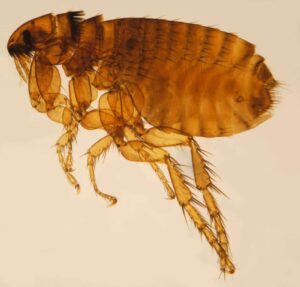
Flea Control in Joplin, MO
Fleas are a common pest problem in Joplin, MO, especially for homes with pets. While they often start as a minor nuisance, flea infestations can quickly become a serious problem if left untreated. At Jelco Pest Solutions, we provide professional flea control designed to eliminate infestations and prevent them from coming back.
Fleas are tiny, fast-moving parasites that feed on blood. They are most commonly brought into homes by dogs and cats, but they can also enter on wildlife or even on clothing. Or brought inside with your pet from mice, squirrels, or deer.
Why are fleas a problem
Once inside, fleas reproduce rapidly. A single female flea can lay dozens of eggs per day, which fall into carpets, furniture, bedding, and cracks in flooring. This includes hardwood floors between cracks and vinyl plank flooriing.
Beyond itchy bites, fleas can:
- Cause allergic reactions in pets and people
- Lead to skin infections from excessive scratching
- Transmit parasites like tapeworms
- Create ongoing discomfort throughout your home
- Center of Disease Control
If you’re noticing pets scratching more than usual or finding bites around your ankles, you may already have an infestation.
How Fleas Spread in Your Home
Fleas reproduce quickly, and breaking their life cycle is the key to eliminating them.
After feeding, female fleas lay eggs that fall off pets into carpets, furniture, and flooring. These eggs develop into a larval stage, then pupae (cocoons), where they are protected and can remain dormant before emerging as adult fleas.
Because of this life cycle, fleas can continue appearing even after initial treatment if the entire process is not addressed.
It is also common for fleas to be introduced from outside sources such as visiting pets, stray animals, or wildlife.
Signs You Have a Flea Infestation
Many homeowners don’t realize how quickly flea problems escalate. Common signs include:
- Pets scratching, biting, or losing hair
- Small black specks (“flea dirt”) on pet bedding
- Tiny jumping insects in carpets or upholstery
- Red, itchy bite marks, often around feet and legs
Because flea eggs and larvae are hidden deep in carpets and cracks, infestations can continue even if adult fleas are temporarily reduced.
Need more answers about fleas?
For additional information about fleas and flea-borne diseases, visit the Centers for Disease Control and Prevention (CDC
Our Professional Flea Treatment Process
Our flea control service is designed to eliminate infestations and prevent them from returning.
- Inspection of affected areas and pet activity
- Targeted treatment of carpets, furniture, and problem areas
- Use of growth regulators (IGR) to stop reproduction
- Recommendations for treating pets and preventing reinfestation
This approach ensures both current fleas and future generations are addressed.
1. Prepare the Home
Pick up as much loose material from floors as possible—clothing, toys, pet items, blankets, etc. Children and pets should be kept out of treatment areas.
2. Our Treatment
We inspect the affected areas and treat appropriate surfaces and problem areas using products according to their labels.
3. Give the Treatment Time to Work
Remain out of the treated areas for at least 30 minutes and until treated surfaces are dry. Do not vacuum for the first 24 hours after treatment.
4. Then Comes the Most Important Part…
VACUUM. VACUUM. VACUUM.
Vacuum all floor surfaces, including carpet, rugs, hardwood, vinyl and other flooring. Flea larvae can develop in cracks, gaps and protected areas, including between sections of hard flooring.
This pupal stage—the “cocoon,” as most people call it—is particularly resistant to chemical treatment. Vacuuming creates vibration and disturbance that can stimulate adult fleas to emerge from their protected cocoons.
Continue vacuuming regularly for 10–14 days after treatment.
5. Don’t Forget the Pets
All pets should be properly treated for fleas. A flea problem can be very difficult to eliminate if the animals continue to bring fleas into the environment.
Why DIY Flea Treatments Often Fail
Many over-the-counter flea treatments only kill adult fleas. However, eggs, larvae, and pupae remain protected and continue the cycle.
Without targeting the entire life cycle, infestations often return.
Professional flea control uses specialized treatments, including growth regulators, to stop reproduction and eliminate the infestation at its source.
Local Flea Control You Can Trust
As a local pest control provider serving Joplin, MO and nearby communities, Jelco Pest Solutions understands the pest pressures common in Southwest Missouri.
We provide flea control services throughout Joplin and surrounding areas including Webb City, Carthage, Neosho, and nearby communities.
Service Areas
We proudly provide pest control services in:
Joplin, Webb City, Oronogo, Alba, Purcell, Jasper, Carthage, Neosho, Sarcoxie, Granby, Diamond, Goodman, Pineville, Noel, Seneca, and surrounding areas in Missouri.
We also serve nearby Kansas communities including Galena, Riverton, Baxter Springs, and Columbus.
Tips on removing FLEAS
VACUUM, VACUUM, VACUUM
My first suggestion is to have and use a good vacuum cleaner, why? Because the flea life cycle contains a “cocoon” this pupae is actually water resistant Chemicals can not penetrate the outside of this stage of life. And always, with vacuuming, empty the bag or container outdoors in a trash receptacle.
WHY IS VACUUMING IMPORTANT?
Vacuuming actually creates vibration the adult flea needs to emerge from its shelter, what fleas don’t get caught up in the vacuum process will be exposed to the chemical and IGR “Insect Growth Regulator”