Termites and Termite Damage
Termite control measures in and around Joplin
Professional Termite Treatments in Joplin, MO
Jelco Pest Solutions provides professional termite treatments in Joplin, MO and surrounding areas. We offer termite inspections, soil treatments, termite baiting systems, and preventative termite control solutions designed to protect homes and businesses from costly structural damage.
Termites are one of the most destructive pests affecting homes and businesses. Each year, they are responsible for millions, if not billions, of dollars in property damage in the United States.
They strike often without detection or warning. In our part of the country, the Eastern subterranean termite is the primary termite threat. It lives in the soil and depends on moisture to survive. Other areas in the U.S. don’t have as much luck, as they are prone to other destructive types.
We are familiar with the subtle differences between termites and ants, and the things to look for that can or will support a termite colony. It’s always better to be safe than sorry, and an annual inspection is reasonably affordable and gives peace of mind.
We Offer a Number of Ways to Handle Termite Treatments.
One of the most well-known methods is a chemical barrier treatment of the soil surrounding your home. Termidor brand products are backed by BASF’s 10-year protection pledge when the applicable program requirements are met, and have a track record that goes beyond that. We call this a ground treatment. Some call it a post-construction treatment.
Another method is to treat the wood and siding with a borate product before insulation is installed. This is sometimes considered a “pre-construction” termite treatment. The borate is typically dyed green or blue and sprayed onto the wooden surfaces.
This treatment protects the wood from termite damage and can help prevent termites from establishing mud tubes on treated wood and other treated surfaces. We use only Bora-Care or Tim-bor products for this application. They can be applied with or without a dye, depending on your preference. I’m told it lasts forever…….does anything really last forever?
Finally, our third option for termite treatments is not really a treatment as much as a preventative measure. Termite bait stations, or TBSs, are devices installed in the ground surrounding the property you wish to protect.
They must be monitored regularly, at least every 3 to 4 months. Ours have a cellulose capsule and a wooden block to attract termites. When a station has a “hit,” the cellulose capsule is replaced with an active ingredient capsule. When termites feed on the active ingredient, it is transferred throughout the colony through their feeding and grooming behavior, killing them slowly, but effectively.
It’s debatable which termite treatment is the best, and PCOs often have different opinions on which method works best. On occasion, all three are used. A certified pest control operator can help you determine which treatment is best for your home and situation.
Termite control is one of the best investments you can make in protecting what is most likely your largest investment. Call JELCO Pest Solutions in Joplin to discuss your termite control options. Feel free to contact us for more information, or click here to visit our termite services page.
Why Termites Are So Destructive
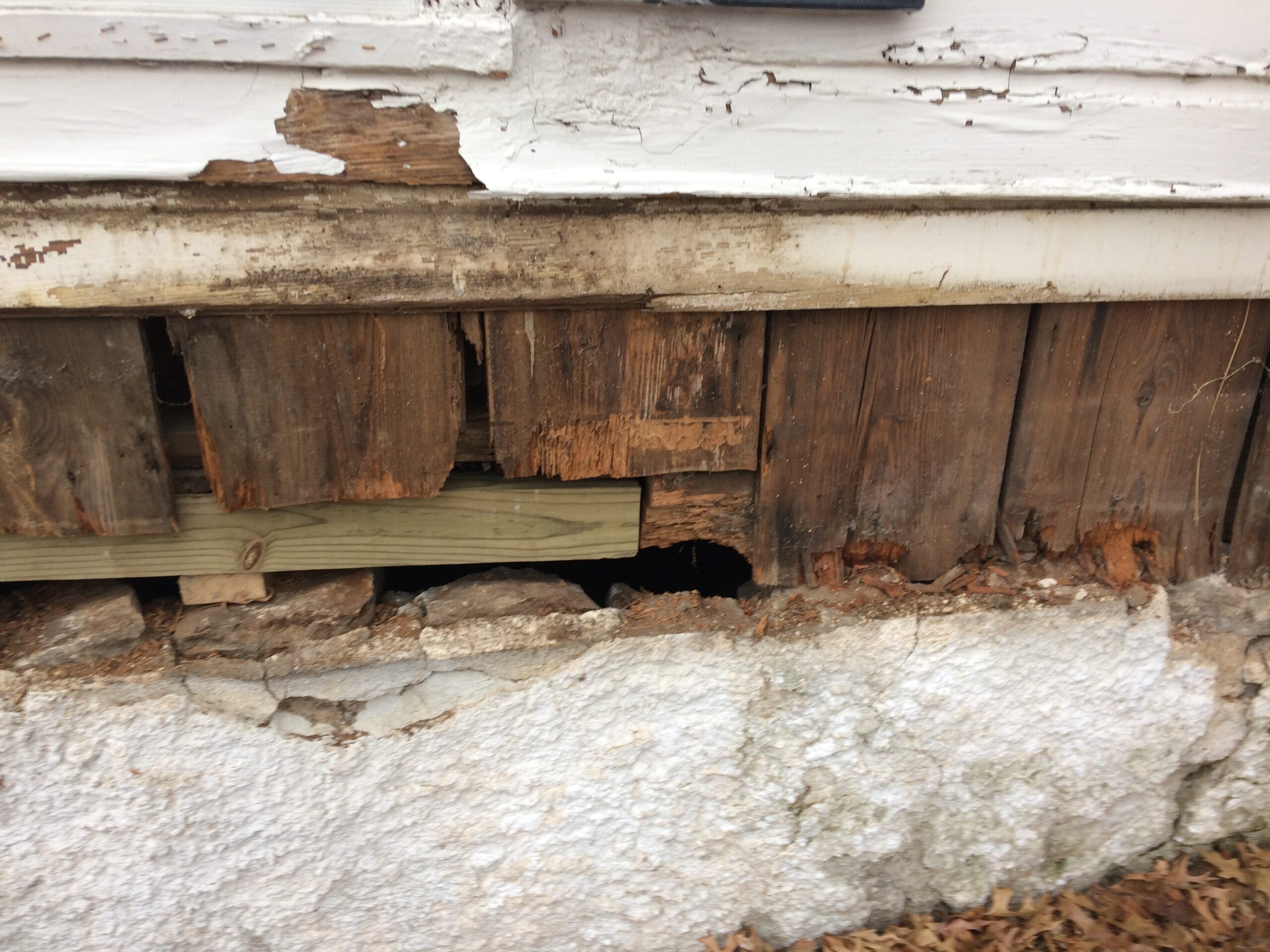
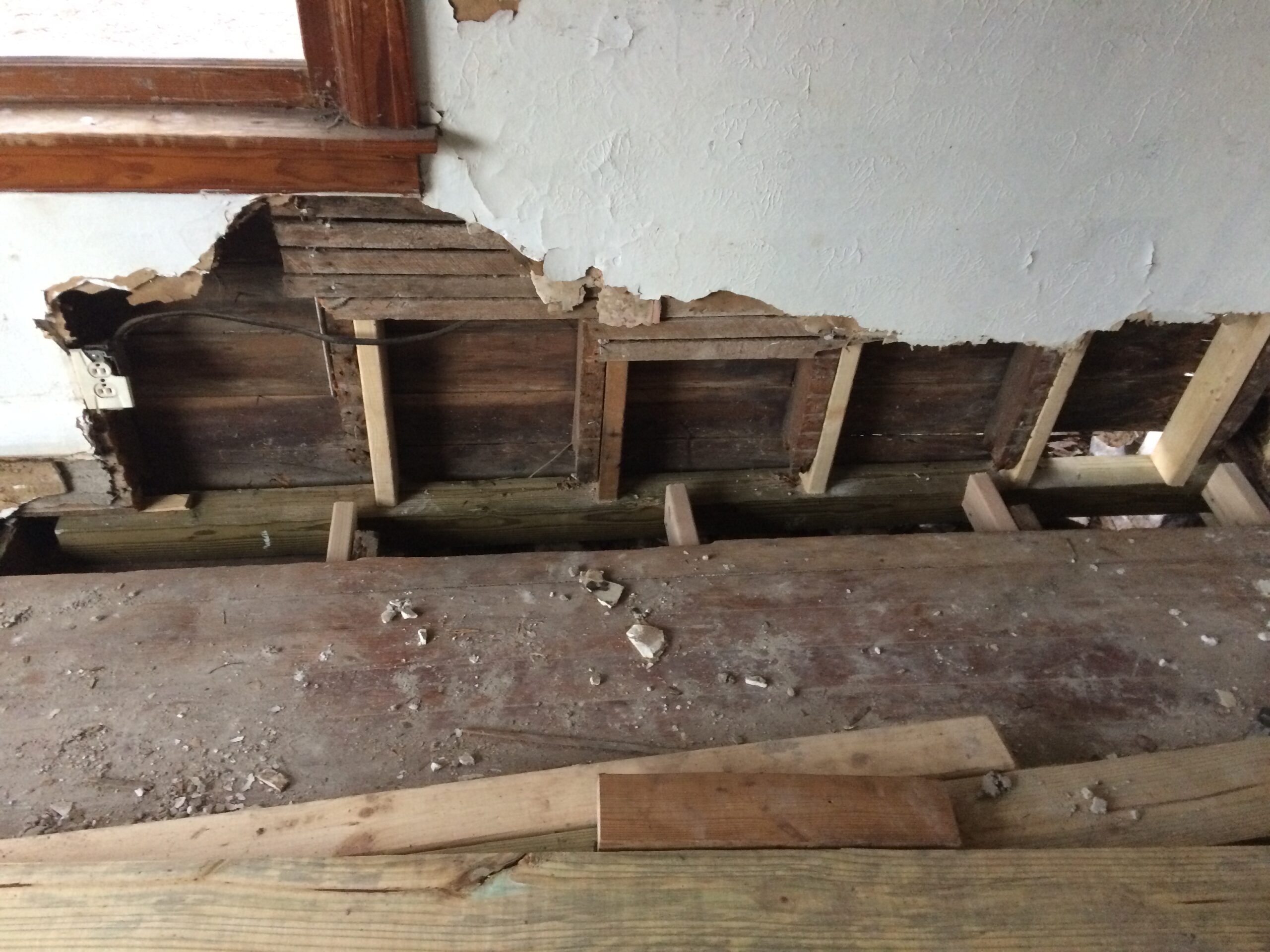
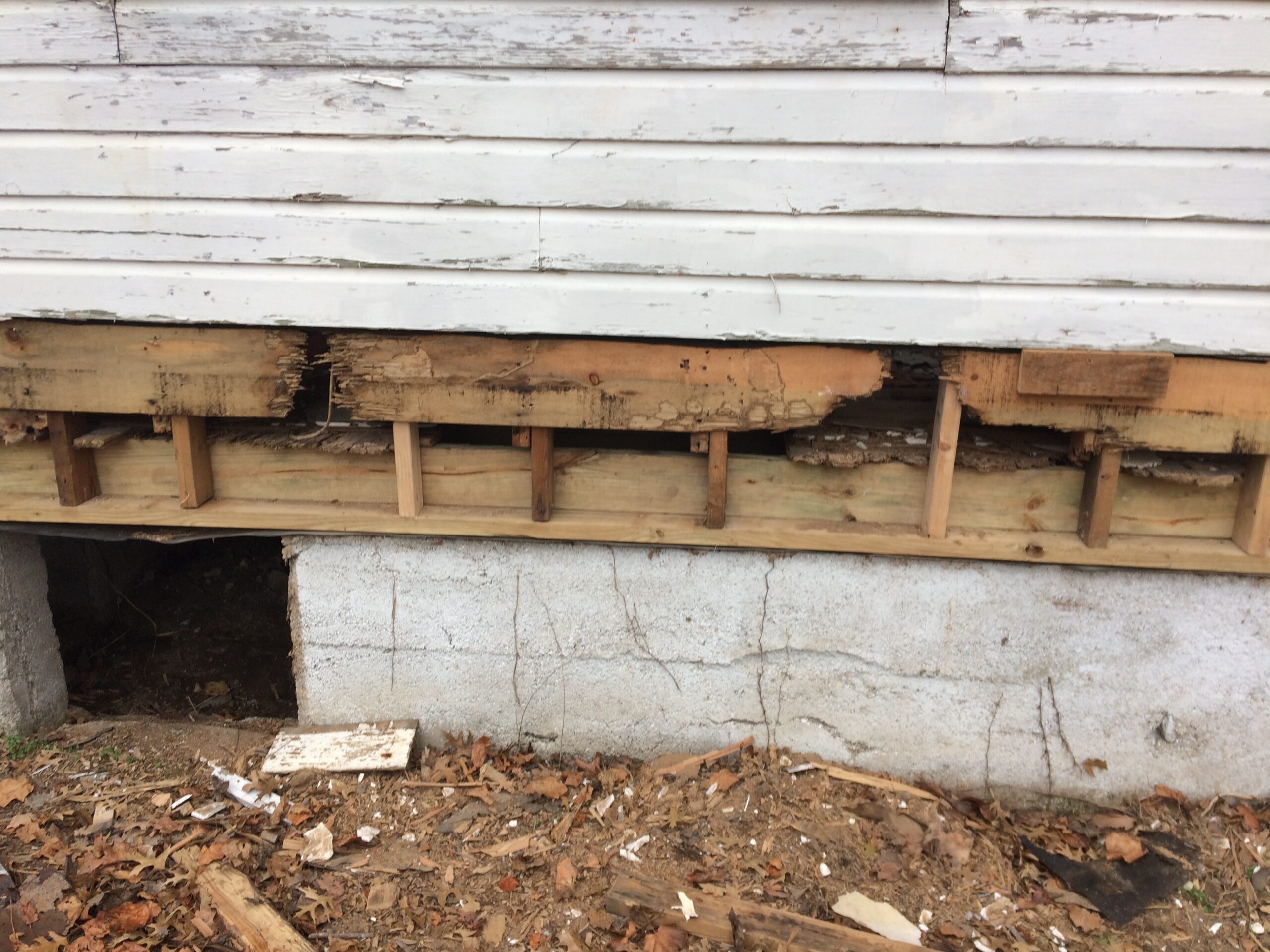
Termites are responsible for billions of dollars in property damage every year in the United States. Unlike many pests, termites feed directly on wood and cellulose materials, which are found in structural components of homes such as framing, flooring, and support beams.
Because termites work behind walls, under floors, and inside wooden structures, infestations often go unnoticed until serious damage has already occurred.
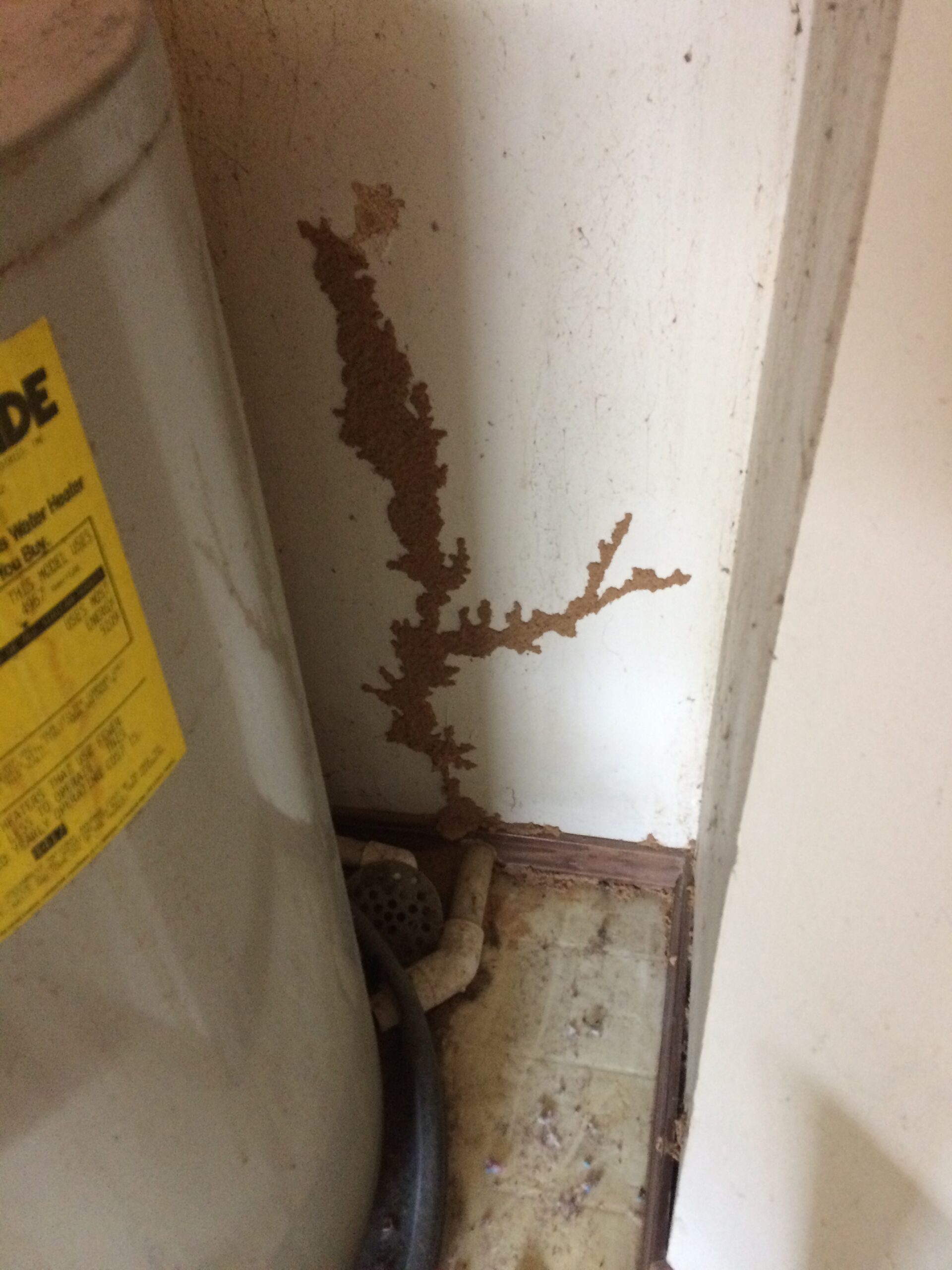
Subterranean termites, the most common species in Missouri, build underground colonies that can contain hundreds of thousands of termites. From these colonies they construct mud tubes to reach food sources inside homes and buildings.
Signs of a Termite Infestation
Many homeowners do not realize they have termites until the damage becomes visible. Some of the most common warning signs include:
- Mud tubes on foundation walls, piers, or in crawlspaces
- Hollow-sounding wood when tapped
- Discarded wings near windows or doors after a swarm
- Soft, blistered, or darkened wood surfaces
- Doors or windows that become difficult to open or close
If you notice any of these signs, a professional inspection should be scheduled as soon as possible.
When Termites Swarm
Termite swarms typically occur in spring when temperatures warm and humidity increases. During this time, winged reproductive termites leave the colony to establish new colonies nearby.
Seeing flying termites indoors can indicate that there may already be a mature colony inside or near the structure. These swarmers are sometimes mistaken for flying ants, but termites have straight antennae, equal-length wings, and thicker waists.
Conditions That Attract Termites
Certain conditions around a property can increase the likelihood of termite activity. These include:
Wood-to-soil contact around foundations.
Excess moisture from leaking pipes or poor drainage.
Mulch or firewood stored against the house.
Cracks in foundations or around slab construction.
Untreated wooden structures such as decks or fences.
Reducing these conditions can help lower the risk of infestation.
Why Professional Termite Control Matters
Termites can be extremely difficult to control without professional treatment. Over-the-counter products may kill termites that are directly exposed, but they generally do not address the colony or the conditions that allowed the infestation to develop.
Professional termite treatments may include:
- Soil treatments around the foundation
- Termite baiting systems
- Wood treatments in affected areas
- Ongoing monitoring to help prevent reinfestation
A professional inspection helps determine the best treatment method for the specific structure and level of termite activity.
Quick Termite Facts:
“Did you know?”
Termites work 24 hours a day, constantly feeding on wood.
A single colony may contain 100,000–1,000,000 termites.
Subterranean termites are responsible for billions of dollars in termite control and repair costs in the United States. University of Missouri Extension estimates approximately $4.5 billion is spent annually to control subterranean termite infestations and repair the damage they cause.
Most homeowner insurance policies do not cover termite damage.
Subterranean termites must stay moist, which is why they build protective mud tubes.
Want more interesting facts about termites? Check this link from the Missouri Department of Conservation