Spider and Spider Control
Spiders and Scorpions
Spiders are among the pests homeowners most want to keep out of their homes. While most spiders are harmless and beneficial predators, they can still become an unwelcome sight when they begin appearing indoors or building webs around your home.
Spider control can be challenging because many species spend much of their time hiding in cracks, crevices, webs, and other protected areas. Effective control requires more than simply spraying the spiders you happen to see.
Effective spider control starts with careful inspections and targeted applications to spider harborage areas. Glue boards can also be a useful, non-toxic tool for monitoring spider activity. Insecticidal dusts may be effective when properly applied to cracks, crevices, and other protected areas where spiders hide.
Preventing Spider Problems
Preventive measures should be part of any spider control program. Reducing the insects that spiders feed on can help reduce spider activity around your home.
Keep plants and vegetation trimmed away from the house, make sure door seals leave no gaps, and repair damaged window screens. Avoid leaving unnecessary exterior lights on at night, as lights can attract flying insects that spiders feed on.
Most Feared Spiders
Black widow spiders and brown recluse spiders are the two spider species in Missouri considered serious threats to human health.
Black widows are generally found outdoors in sheltered, undisturbed locations such as wood piles, around buildings, and near other protected areas. Routine pest control can help keep their populations under control.
Brown recluse control can be more difficult because these spiders are reclusive and tend to hide during the day. They are often found in undisturbed areas such as storage boxes, closets, drawers, and other secluded spaces. They become active at night while hunting for food.
Most bites from black widows and brown recluses occur when the spider is accidentally disturbed, trapped, or pressed against the skin. Black widows may bite when a person comes into contact with their web or when the spider is unknowingly pinned against the skin. Brown recluse spiders generally require counterpressure to bite, which can happen when they are trapped in clothing, bedding, or another item pressed against the skin.
Glue boards are very useful in monitoring spider activity. If you have a spider problem, give us a call.
417-782-1877
Spider Control in Joplin MO
Spiders often enter buildings searching for food and shelter. They are commonly found in basements, garages, attics, and corners of rooms. Webs around windows and ceilings are often one of the first signs of increased spider activity.
Our spider control service focuses on treating areas where spiders live and hide. By reducing insects around your home, we also reduce the food sources that attract spiders.
Common Signs of Spiders
You may need spider control if you notice:
Spider webs in corners
Spiders around windows
Egg sacs
Spiders in basements or garages
Increased spider activity
Seeing one spider occasionally is normal, but frequent sightings can indicate a larger problem.
Why Professional Spider Control Works
Store-bought sprays may provide only temporary relief. Spiders often hide in cracks and hard-to-reach places where sprays cannot reach.
Professional spider control provides:
Thorough inspections
Targeted treatments
Long-lasting protection
Reduced insect populations
Regular service helps keep spiders under control year-round.
Safe and Reliable Spider Treatments
Our spider control treatments are designed to be used responsibly around families and pets when applied according to label directions.
Exterior treatments are especially important because spiders often live around foundations, siding, and windows.
Call for Spider Control in Joplin, MO
If spiders are becoming a problem, professional spider control can help protect your home.
For more information about Black Widow and Brown Recluse spiders, see the University of Kentucky resource on Brown Recluse spiders. Brown Recluse
We also do Ant Control and Flea control
Scorpions of Our Area
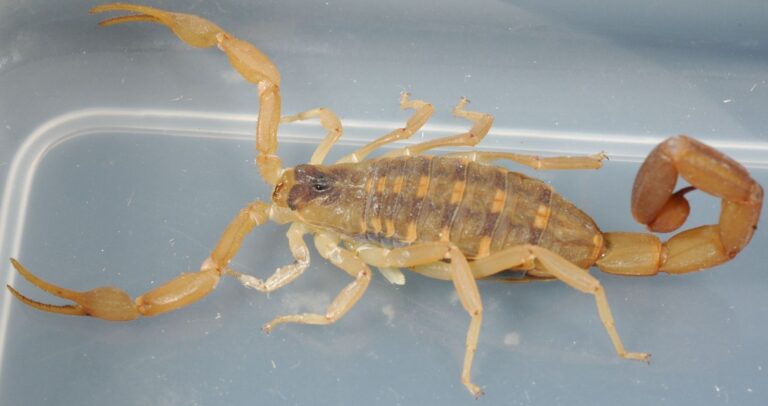
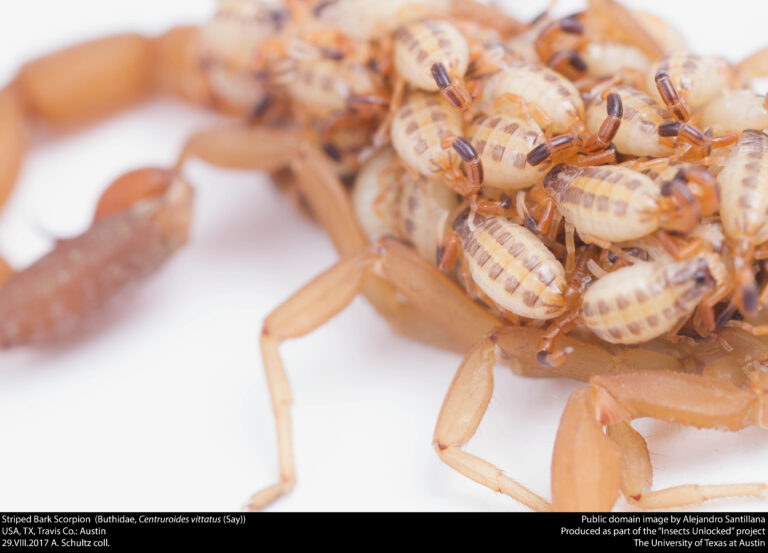
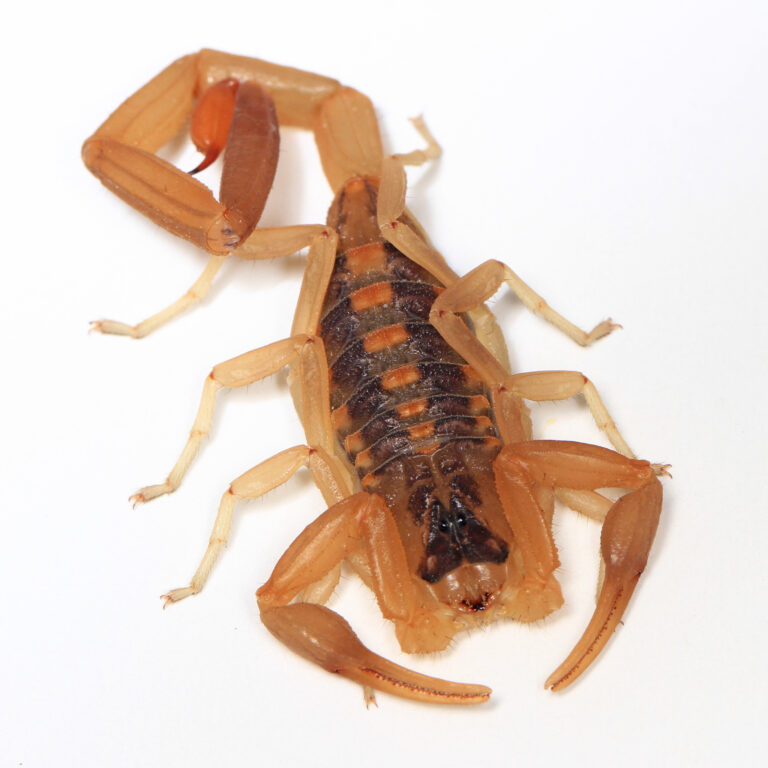
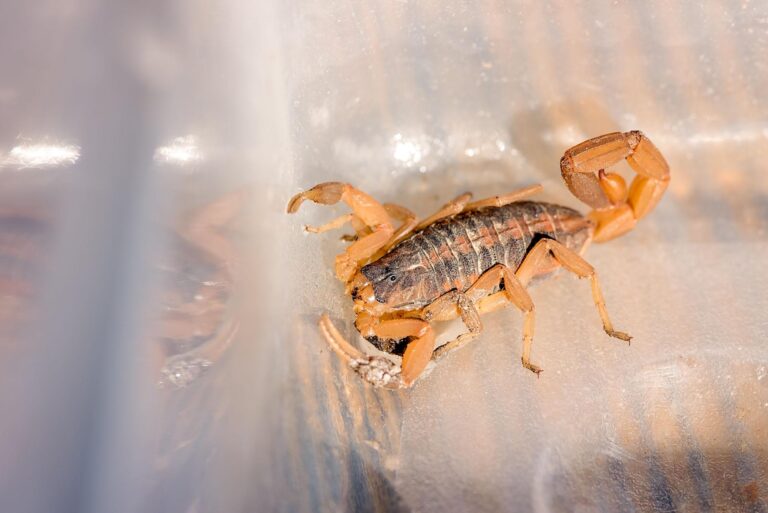
In the Joplin, Missouri area and across the Ozarks, the most common scorpion is the striped bark scorpion (Centruroides vittatus). These scorpions are typically light tan or yellowish with two darker stripes running down their back and are mostly active at night.
Striped bark scorpions prefer warm, dry environments and often hide during the day under rocks, logs, leaf litter, or other protected areas. They can also find their way inside homes, where they may be found in basements, crawl spaces, bathrooms, or along walls and baseboards. They can climb walls and ceilings, which sometimes surprises homeowners.
Their sting can be painful, but it is generally not considered dangerous for most healthy adults. However, reactions can be more serious for some individuals, particularly young children and older adults.
Scorpions feed on insects such as crickets, roaches, and spiders. Reducing the insects around your home can therefore help reduce the food sources that attract them. Sealing cracks and openings, reducing clutter, and eliminating areas that provide shelter can also help prevent scorpions from getting inside.
One really cool fact about scorpions is that they fluoresce, or glow, under a UV light—even after they are dead.
Around Joplin and Galena, we often find them near chat and rocky terrain. We also encounter them in South Joplin, particularly in areas where rocky ground provides places for them to hide.
For more information about striped bark scorpions, see the Missouri Department of Conservation’s resource: [MDC]
Photos from Missouri Department of Conservation